

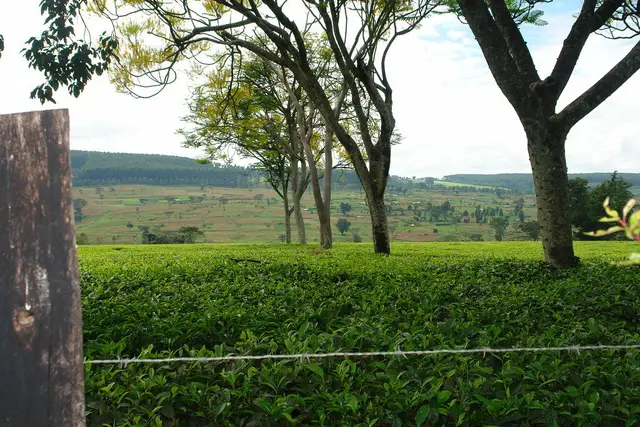
If you drink tea regularly, there's a real chance some of it traces back to Kericho — Kenya is one of the world's largest tea exporters, and Kericho, in the country's western highlands, is the epicentre of that industry. It's a genuinely different kind of Kenyan travel experience: no wildlife, no beach, just endless manicured green hillsides and a slower, agricultural rhythm that's a deliberate change of pace from safari itineraries.
What a tea tour actually involves
Guided plantation walks are the core activity — walking between the neat, waist-high rows of tea bushes with a guide who can explain the growing conditions (Kericho's high elevation, reliable rainfall, and rich volcanic soil are exactly why the region became a tea powerhouse in the first place), followed typically by a demonstration of hand-plucking technique, since the top two leaves and a bud are all that get picked at a time. Factory visits, where you see the withering, rolling, and drying process that turns raw leaf into the tea you'd recognise, round out most full tours, though these generally need to be arranged several days in advance and aren't cheap, since factories sit away from town and require dedicated transport and permission to access.
Where to go for a tour
The Tea Hotel, about a kilometre from Kericho town on the road to Nairobi, is a straightforward starting point — tea field visits can be booked directly at its front desk without much advance planning. For something more specific, Chesumot Tea Plantation, about 10km south of town on the Nakuru-Kericho-Kisumu highway, offers a day pass (around KES 400) that includes access to walk the plantation, plus camping beside its dam if you want to extend the stop into an overnight.
Getting there
Kericho sits about 256km southwest of Nairobi in the Rift Valley highlands — a half-day's drive, doable as a long day trip but more comfortably done as an overnight stop, particularly if you're combining it with a broader western Kenya loop through Kisumu or Kakamega, both of which are a reasonable onward drive from here.
When to visit
Kericho's high elevation gives it a noticeably cooler, wetter climate than most of Kenya — genuinely one of the rainiest towns in the country, which is exactly what makes the tea grow so well. There's no strict "best season" in the way there is for wildlife parks, since the tea estates stay green year-round, but if you'd rather minimise your odds of rain during a plantation walk, the drier stretches around January-February and July-September are comparatively safer bets, while still not guaranteed.
Why it's worth the detour
Kericho won't be the highlight of most people's Kenya trip, and it isn't trying to be — but as a single day or overnight stop on a longer route through the Rift Valley or western Kenya, it offers something genuinely different: a working agricultural landscape, a look at where a globally traded commodity actually comes from, and a cool, green break from the heat of the savanna parks and the coast.
A practical note on booking ahead
Because factory visits specifically require advance arrangement and aren't always available on short notice, decide before you arrive whether a factory tour matters to you or whether a plantation walk and tea tasting will do — the latter is easy to arrange same-day almost anywhere in town, while the former needs planning a few days out at minimum. Bring a light rain jacket regardless of season — Kericho's reputation for rain is well earned, and afternoon showers can arrive even during the comparatively drier months without much warning.
A bit of background on how Kericho became tea country
Commercial tea growing in the Kericho area dates back to the early 20th century under British colonial-era plantations, and large estates established then — since transitioned through various ownership structures over the decades — still shape much of the landscape and local economy today. That history is worth knowing before you tour: the neat, uniform rows you're walking through are the product of over a century of continuous cultivation on the same hillsides, not a recent agricultural project, and the industry remains one of the largest employers in the region.
Comments 0
Join the conversation. No account needed.