

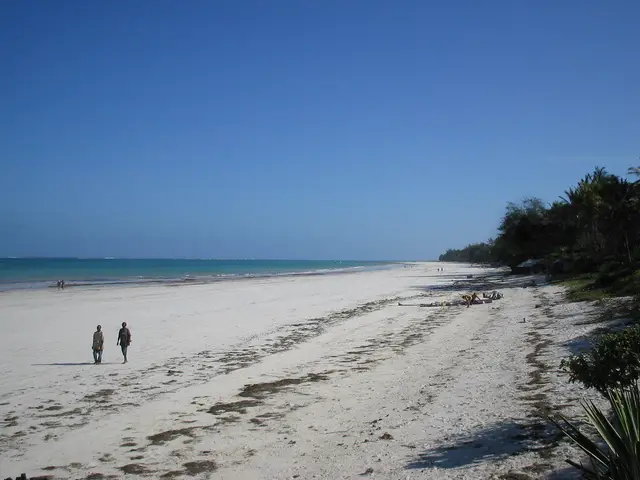
Diani gets called Kenya's best beach often enough that it's easy to assume the claim is just tourism-board marketing. Having actually walked it — powder-white sand, a reef offshore that keeps the surf gentle, palm forest right up to the high-water line — the claim mostly holds up. It's on the south coast in Kwale County, about 30 kilometres south of Mombasa, and it works as either a standalone beach holiday or the coastal half of a safari-plus-beach itinerary.
When to go
Dry season — December to March, and again June to October — gives you the lowest rainfall odds and the most reliable beach weather. If you're budget-conscious rather than weather-obsessed, May, September, and November are the sweet spot: shoulder-season pricing on hotels without the heaviest rains of the April-May long rains.
What to actually do beyond lying on the sand
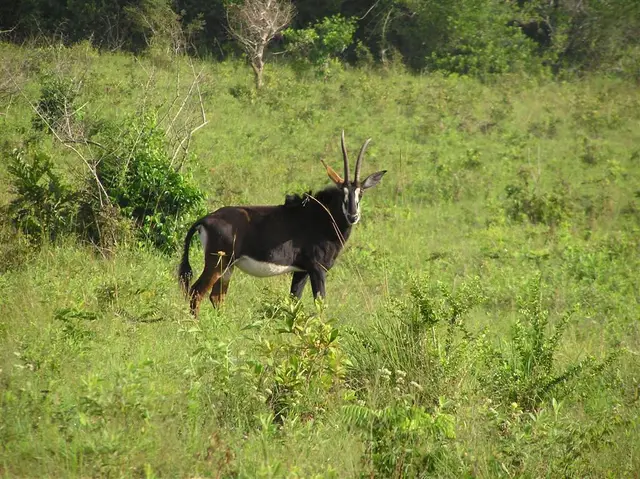
The reef just offshore is the main event beyond the beach itself — snorkelling and diving trips head out to coral gardens with genuinely good visibility most of the year, and glass-bottom boat trips are an easy, low-effort way to see the same reef without getting in the water. Kitesurfing and other water sports have a real following here, helped by consistent wind conditions for a good chunk of the year. Camel rides along the sand are a Diani cliché at this point, but they're a cliché because they're genuinely fun with kids. If you want a change of pace from the beach entirely, Shimba Hills National Reserve is a short drive inland — forested hills with elephant, sable antelope, and a cooler climate than the coast.
Where to base yourself
Ukunda, the main town behind the beach strip, gives you the most local texture — markets, everyday Kenyan coastal life, and the cheapest food options. Galu Beach, further south, is quieter and more of a retreat if you want distance from the main strip's bars and restaurants. If you'd rather be closer to Mombasa's dining and nightlife with a short drive back to the beach each day, basing in Mombasa itself is also a reasonable option, though it trades away the walk-out-your-door beach access that's the whole point of staying in Diani.
Getting there
Most visitors fly into Moi International Airport in Mombasa, then either take the Likoni ferry and drive south (allow extra time for ferry queues, which can run long at peak hours) or use the Likoni floating bridge / newer road links that bypass some of the ferry congestion. A taxi or hotel transfer from the airport to Diani typically runs 45 minutes to just over an hour depending on the crossing and traffic.
A practical note on cost and crowding
Diani has scaled up considerably as a tourism destination, which cuts both ways: infrastructure, restaurant variety, and activity operators are all more developed than on quieter stretches of coast, but peak-season crowding and pricing reflect that too. If you want the beach experience without the peak-season density, the shoulder months mentioned above genuinely deliver a quieter version of the same coastline at a noticeably lower cost.
Worth building a coastal leg around
Diani earns its reputation less through any single standout attraction and more through consistency — good sand, a reliably calm reef-protected sea, and enough activity variety that a week here doesn't get boring. Pair it with a few days inland at a park like Tsavo and you've got one of the more complete Kenya itineraries available without a long domestic flight between the two halves.
What sets Diani apart from other Kenyan beaches
Kenya's coastline runs for hundreds of kilometres, and plenty of it is genuinely beautiful, but Diani's specific combination of a barrier reef close to shore, unusually fine sand, and a long uninterrupted stretch (roughly 17 kilometres end to end) is what keeps it at the top of most "best beach in Kenya" lists rather than, say, Watamu or Malindi further north. The reef does real work here: it breaks up incoming swell before it reaches the beach, which is why the water stays so calm and swimmable for most of the year compared to more exposed stretches of coast.
A note on safety and planning ahead
The south coast has occasionally seen travel advisories tied to the wider security situation near the Kenya-Somalia border further north, which has nothing to do with Diani itself but is worth a quick check of current government travel advice before you book, simply as good practice for any coastal trip. Locally, the usual sensible precautions apply — don't leave valuables unattended on the beach, use registered tour operators for water sports and boat trips, and confirm current prices for camel rides, snorkelling trips, and glass-bottom boat tours before you commit, since informal vendors on the beach negotiate individually rather than working from a fixed price list.

Comments 0
Join the conversation. No account needed.