

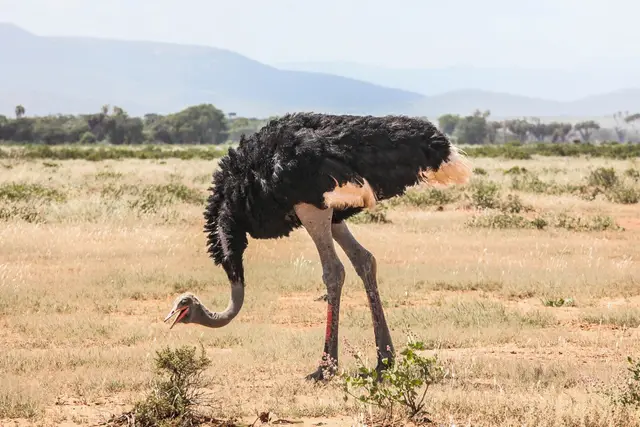
Ask most first-time visitors to picture a Kenyan safari and they'll describe the Mara: lion prides, wildebeest, classic zebra. Samburu, roughly 350km north of Nairobi in Kenya's semi-arid north, runs almost an entirely different wildlife roster — and that's exactly the draw for anyone who's already done a Big Five trip and wants something that doesn't repeat it.
The Samburu Special Five
The reserve is built around five species found almost nowhere else in the country: the strikingly striped Grevy's zebra (rarer and more finely patterned than the common zebra found further south), the reticulated giraffe with its sharp geometric coat markings, the long-necked gerenuk (which browses standing on its hind legs, a genuinely odd sight the first time you see it), the Beisa oryx, and the Somali ostrich. None of these are Big Five animals, and that's the point — Samburu isn't trying to be a checklist safari, it's offering a completely different set of species adapted to Kenya's dry north.
Beyond the Special Five
Samburu isn't short on the classics either: healthy lion, leopard, and cheetah populations hunt along the Ewaso Nyiro River, which cuts through the reserve and is the reason wildlife concentrates here at all in an otherwise arid landscape. The river's resident elephant herds have been studied for decades by the Save the Elephants research project, headquartered in the reserve — ask your guide whether any current research activity is visible on your visit, since it sometimes is. Birdlife is excellent too, with martial eagles, vulturine guinea fowl, and a long list of colourful residents like the lilac-breasted roller.
Getting there
Most visitors fly rather than drive — scheduled flights from Nairobi's Wilson Airport reach Samburu's airstrips in a little over an hour, which is the practical option given the distance. Driving is possible and often bundled into multi-day overland safari packages, but expect a full day's travel each way if you go by road, so factor that into how many nights you plan to stay.
Best time to visit
June to October and January to March — the dry season stretches — concentrate wildlife around the Ewaso Nyiro River as other water sources dry up, giving you the most reliable Special Five and predator sightings. If budget matters more than peak-season certainty, the shoulder window from March to early June offers a quieter, less-visited reserve at lower rates, and November is specifically worth targeting if birdwatching is your priority.
Where to stay
Lodges and camps here tend to lean into the river setting — several properties sit directly on the Ewaso Nyiro's banks, giving you a shot at elephant and other wildlife visiting the water within view of your room or tent. Because Samburu sees meaningfully fewer visitors than the Mara or Amboseli, even well-known camps here tend to feel less crowded on game drives, which is worth factoring in if crowding elsewhere in Kenya's parks has been a frustration on a previous trip.
Combining it with the rest of northern Kenya
Samburu sits within reach of other northern reserves — Buffalo Springs and Shaba are close enough that some itineraries combine two or three in a single multi-day loop, since they share the same broader ecosystem and ticketing in some cases covers more than one reserve. If you have the time, extending a Samburu visit to include one of its neighbours rounds out the trip without much additional travel.
Worth it for the novelty alone
If your Kenya trip already includes a Big Five park, Samburu is the addition that makes the second stop feel genuinely different rather than repetitive — different animals, different landscape, and noticeably fewer other vehicles on the tracks with you.
A practical note on the region
Samburu County is culturally distinct from the areas most first-time Kenya visitors see — the Samburu people, closely related to the Maasai, maintain strong pastoralist traditions, and several lodges arrange respectful visits to local villages or cultural performances as an add-on to game drives. It's worth asking your operator about this in advance rather than expecting it to be automatically included, since arrangements and pricing vary by lodge and community. Pack for genuine heat and dust — Samburu sits noticeably lower and drier than the highland parks further south, and midday temperatures during the dry season regularly climb higher than you'd expect from a standard Kenya packing list, so plan your game drives around the cooler early morning and late afternoon hours accordingly.
Comments 0
Join the conversation. No account needed.